
Navigating the complexities of the global economy, accurately predicting revenue growth for 2024 requires a keen understanding of macroeconomic trends, industry-specific dynamics, and internal company strategies. This forecast delves into these crucial aspects, offering insights into potential opportunities and challenges for businesses across various sectors.
We examine projected global economic growth, identifying key factors influencing revenue, and comparing regional variations. A detailed analysis of specific industries provides a granular view of projected revenue trajectories, driven by technological advancements, consumer behavior shifts, and regulatory changes. Finally, we explore strategic approaches businesses can employ to enhance their revenue growth amidst evolving market conditions.
Industry-Specific Revenue Growth Predictions
This section delves into specific revenue growth forecasts for three distinct industries in 2024, providing a detailed breakdown of projected growth trajectories, underlying factors, and illustrative examples. We will examine the interplay of technological advancements, evolving consumer preferences, and regulatory landscapes to understand the predicted revenue performance of these sectors.
Artificial Intelligence (AI) Industry Revenue Growth
The AI industry is poised for significant expansion in 2024, fueled by increasing adoption across various sectors and continuous technological advancements. Companies like Google (Alphabet Inc.), Microsoft, and Amazon are leading the charge, investing heavily in research and development, and integrating AI solutions into their existing product portfolios. The projected revenue growth is driven by the rising demand for AI-powered solutions in healthcare, finance, and manufacturing, as well as the growing adoption of AI in everyday consumer products.
Regulatory changes, particularly around data privacy and algorithmic bias, will play a crucial role in shaping the industry’s growth trajectory. For instance, Google’s Cloud AI platform is expected to see substantial revenue growth, driven by increased demand for its machine learning and data analytics services. Similarly, Microsoft’s Azure AI services are anticipated to experience robust growth, underpinned by strong adoption in enterprise solutions.
Renewable Energy Industry Revenue Growth
The renewable energy sector is expected to experience considerable growth in 2024, driven by increasing global concerns about climate change and government incentives promoting clean energy adoption. Companies like NextEra Energy, Ørsted, and Enphase Energy are key players in this space. Technological advancements in solar panel efficiency and energy storage solutions are further propelling growth. Government regulations, such as carbon emission reduction targets and renewable energy mandates, are also significant drivers.
However, factors such as supply chain disruptions and the fluctuating cost of raw materials could impact revenue growth. For example, NextEra Energy’s revenue is projected to increase due to expanding wind and solar energy projects, while Enphase Energy’s growth is anticipated to be fueled by rising demand for its microinverter-based solar systems.
E-commerce Industry Revenue Growth
The e-commerce industry, while already mature, is expected to see continued, albeit moderated, growth in 2024. Companies such as Amazon, Shopify, and Alibaba are key players, continuously innovating to enhance user experience and expand their market reach. While the explosive growth seen during the pandemic may not be replicated, several factors will continue to contribute to revenue expansion. These include the increasing penetration of e-commerce in emerging markets, the growth of mobile commerce, and the ongoing development of advanced logistics and delivery systems.
However, economic downturns and increased competition could pose challenges. For instance, Amazon’s revenue growth is projected to remain positive but at a slower pace compared to previous years, driven by a more saturated market and increased competition. Shopify, on the other hand, is expected to maintain a strong growth trajectory, benefiting from its focus on small and medium-sized businesses.
The following bullet points summarize the projected revenue growth rates for these three industries:
- Artificial Intelligence: High growth, driven by technological advancements and increasing adoption across various sectors.
- Renewable Energy: Strong growth, driven by government incentives, environmental concerns, and technological improvements.
- E-commerce: Moderate growth, driven by ongoing market penetration and technological advancements, but facing increased competition and potential economic headwinds.
Factors Influencing Revenue Growth
Accurately forecasting revenue growth for 2024 requires a comprehensive understanding of the various factors that can influence a company’s financial performance. These factors can be broadly categorized as internal, within the company’s control, and external, stemming from the broader economic and geopolitical landscape. A balanced assessment of both is crucial for realistic projections.
Inflation’s Impact on Revenue Growth Projections
Inflation significantly impacts revenue growth projections. High inflation erodes purchasing power, potentially leading to decreased consumer demand and impacting pricing strategies. For example, if a company experiences rising production costs due to inflation but cannot increase prices proportionally due to market sensitivity, profit margins will shrink, thus hindering revenue growth. Conversely, a company might successfully pass increased costs onto consumers, but this could lead to reduced sales volume, negating the positive impact of higher prices.
The net effect depends on the company’s pricing power, elasticity of demand for its products or services, and its ability to manage costs effectively. Accurate inflation forecasts are, therefore, vital for reliable revenue projections.
Key Internal Factors Influencing Revenue Growth
Three key internal factors significantly influence a company’s revenue growth: product innovation, marketing strategies, and operational efficiency. Product innovation, the development and launch of new or improved products, can capture new market segments and increase sales. Effective marketing strategies, encompassing branding, advertising, and sales promotions, drive demand and customer acquisition. Finally, operational efficiency, focusing on streamlined processes and cost reduction, improves profitability and allows for competitive pricing or reinvestment in growth initiatives.
A company excelling in all three areas is well-positioned for strong revenue growth. For instance, a tech company releasing a groundbreaking new software while running targeted ad campaigns and optimizing its development process can expect substantial revenue increases.
Influence of External Factors on Revenue Growth
External factors such as geopolitical events, supply chain disruptions, and changes in consumer spending habits can significantly impact revenue growth. Geopolitical instability can disrupt international trade and supply chains, impacting both production and sales. Supply chain disruptions, whether due to natural disasters, political unrest, or pandemics, can lead to shortages, increased costs, and decreased production capacity. Changes in consumer spending habits, influenced by economic conditions, consumer confidence, and shifts in preferences, directly impact demand.
For example, the COVID-19 pandemic dramatically altered consumer spending habits, leading to a surge in e-commerce and a decline in spending on travel and hospitality. Companies must adapt to these external pressures to mitigate potential negative impacts on their revenue.
Factors and Their Potential Impact on Revenue Growth
| Factor (Internal/External) | Potential Impact on Revenue Growth |
|---|---|
| Inflation (External) | Can reduce consumer demand, impact pricing strategies, and potentially squeeze profit margins, negatively impacting revenue growth. However, successful cost-passing could offset some negative effects. |
| Product Innovation (Internal) | Can drive new sales, capture new markets, and enhance revenue growth. |
| Marketing Strategies (Internal) | Effective strategies can boost demand, increase customer acquisition, and contribute to substantial revenue growth. |
| Operational Efficiency (Internal) | Streamlined processes and cost reduction improve profitability, enabling competitive pricing or reinvestment in growth initiatives, thus positively impacting revenue growth. |
| Geopolitical Events (External) | Can disrupt international trade, impact supply chains, and negatively affect revenue growth. |
| Supply Chain Disruptions (External) | Can lead to shortages, increased costs, decreased production, and reduced revenue growth. |
| Changes in Consumer Spending Habits (External) | Directly impacts demand; shifts in preferences and economic conditions can significantly influence revenue growth, either positively or negatively. |
REVENUE GROWTH Strategies and Tactics
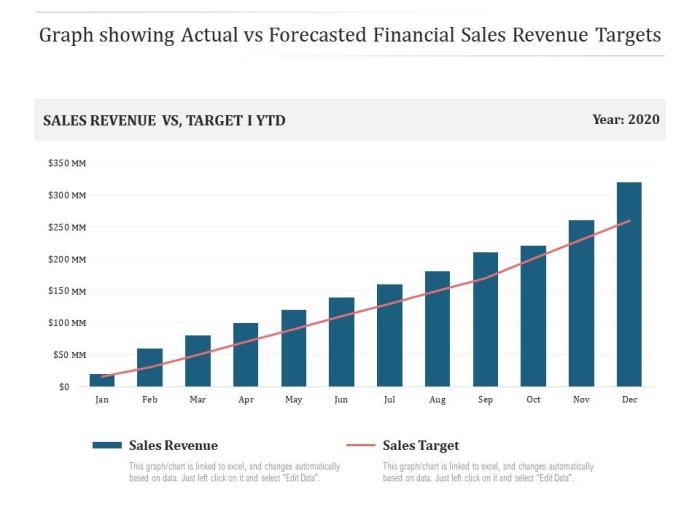
Boosting revenue in 2024 requires a strategic approach that considers both market dynamics and internal capabilities. This section Artikels three effective strategies, their tactical implementations, and their adaptability across various industries and economic conditions. Understanding these strategies is crucial for businesses aiming for significant revenue growth.
Effective Revenue Growth Strategies
Companies can significantly improve revenue growth by focusing on three core strategies: expanding their existing customer base, increasing the average revenue per customer, and optimizing operational efficiency to reduce costs and improve margins. Each strategy offers distinct avenues for growth and requires a tailored approach based on the specific industry and market context.
- Expand Existing Customer Base: This involves attracting new customers through targeted marketing campaigns, strategic partnerships, and innovative product offerings. This strategy is particularly effective in industries with high customer acquisition costs, where retaining existing customers is paramount.
- Increase Average Revenue Per Customer (ARPU): This focuses on maximizing the value derived from each customer. Tactics include upselling, cross-selling, and implementing subscription models. This strategy is especially beneficial in industries with established customer bases and high customer lifetime value.
- Optimize Operational Efficiency: This involves streamlining processes, improving supply chain management, and leveraging technology to reduce costs and enhance productivity. This strategy is critical across all industries, as efficient operations directly impact profitability and allow for reinvestment in growth initiatives.
Tactical Implementations of Revenue Growth Strategies
The success of each strategy hinges on effective tactical implementation. The following examples illustrate how these strategies can be translated into concrete actions.
- Expand Existing Customer Base:
- Targeted Marketing Campaigns: Launching social media campaigns focusing on specific demographics identified through market research. For example, a clothing retailer might use influencer marketing to target younger consumers on platforms like TikTok and Instagram.
- Strategic Partnerships: Collaborating with complementary businesses to reach new customer segments. A coffee shop could partner with a local bakery to offer bundled deals, attracting customers from both businesses.
- Innovative Product Offerings: Developing new products or services that cater to unmet customer needs. A software company might release a new feature based on user feedback, expanding its appeal to a wider audience.
- Increase Average Revenue Per Customer (ARPU):
- Upselling: Offering higher-priced products or services that enhance the customer’s existing purchase. A car dealership might offer premium packages including additional features or warranties.
- Cross-selling: Promoting related products or services to existing customers. An online retailer could suggest complementary items based on the customer’s browsing history.
- Subscription Models: Offering recurring revenue streams through subscription-based services. A streaming service provides access to a library of content for a monthly fee.
- Optimize Operational Efficiency:
- Process Automation: Automating repetitive tasks using software and technology. A manufacturing company could use robots to automate assembly line processes.
- Supply Chain Optimization: Streamlining the supply chain to reduce costs and improve delivery times. A retail company could implement just-in-time inventory management.
- Data Analytics: Utilizing data to identify areas for improvement and optimize resource allocation. A marketing team could use analytics to identify high-performing campaigns and allocate more budget accordingly.
Comparative Effectiveness Across Industries and Market Conditions
The relative effectiveness of these strategies varies across different industries and market conditions. For instance, in a rapidly growing market, expanding the customer base might be the most impactful strategy. Conversely, in a mature market with high customer loyalty, focusing on increasing ARPU might be more effective. During economic downturns, optimizing operational efficiency becomes crucial for maintaining profitability. Adapting these strategies to the specific circumstances is vital for success.
For example, a luxury goods company might focus on increasing ARPU during an economic downturn, while a fast-moving consumer goods company might prioritize operational efficiency.
Analyzing Revenue Growth Data and Trends
Accurately forecasting revenue growth requires a thorough analysis of past performance and current market trends. This involves identifying key performance indicators (KPIs), understanding their interrelationships, and acknowledging the inherent limitations in predictive modeling. By carefully examining historical data and incorporating qualitative insights, businesses can develop more robust and reliable revenue projections.Key Metrics for Tracking and Analyzing Revenue GrowthSeveral key metrics are crucial for tracking and analyzing revenue growth.
These metrics provide a comprehensive view of the company’s financial health and its trajectory. Understanding these metrics allows for better informed decision-making and more accurate forecasting.
Key Revenue Growth Metrics
Understanding revenue growth requires examining several key metrics, each offering a unique perspective. These metrics provide a holistic picture of the company’s financial performance and allow for a more nuanced understanding of revenue trends. For example, year-over-year (YoY) growth helps illustrate the change in revenue from one year to the next, while month-over-month (MoM) growth shows the change from the previous month.
Analyzing both provides a clearer picture of revenue trends. Further metrics such as customer acquisition cost (CAC) and customer lifetime value (CLTV) offer valuable insights into the efficiency of sales and marketing efforts.
Examples include: Year-over-year (YoY) growth, Month-over-month (MoM) growth, Average Revenue Per User (ARPU), Customer Acquisition Cost (CAC), Customer Lifetime Value (CLTV), Revenue growth rate, Net revenue retention rate.
Utilizing Historical Revenue Data for Future Forecasts
Historical revenue data serves as a foundation for future revenue growth forecasts. By analyzing past trends, identifying seasonal patterns, and understanding the impact of various factors, businesses can develop more accurate projections. For example, a company experiencing consistent 10% YoY growth over the past five years might reasonably project similar growth in the coming year, provided market conditions remain relatively stable.
However, this projection should also consider potential headwinds or tailwinds that could impact future growth. Analyzing the correlation between marketing spend and revenue growth can also inform future investment strategies. For instance, if a significant increase in marketing expenditure correlates with a surge in revenue, a similar investment strategy might be considered for the upcoming period.
For instance, a company that experienced a 15% increase in revenue following a new product launch can use this data to inform forecasts for similar product launches in the future. Similarly, analyzing sales data during peak seasons can help in forecasting future revenue during those periods.
Challenges and Limitations in Revenue Growth Forecasting
Accurately forecasting revenue growth presents several challenges. Unforeseen events, such as economic downturns or natural disasters, can significantly impact revenue projections. Furthermore, changes in consumer behavior, competitive pressures, and technological advancements can render past performance data less relevant in predicting future outcomes. The accuracy of forecasts is also dependent on the quality and completeness of the data used.
Inaccurate or incomplete data can lead to unreliable predictions. Finally, the inherent limitations of predictive models mean that forecasts are inherently uncertain, and significant deviations from projections are possible.
Hypothetical Scenario: Impact of an Unforeseen Event
Let’s consider a hypothetical scenario where a major hurricane significantly impacts a coastal resort’s operations. The resort had projected a 10% revenue growth for the next year, based on historical data and strong booking trends. However, the hurricane causes widespread damage, forcing the resort to close for several months for repairs. This unforeseen event would drastically reduce revenue for the year, potentially leading to a significant negative growth instead of the projected 10% increase.
The resort would need to reassess its revenue projections, factoring in the extended closure period, repair costs, and the potential impact on future bookings. The initial forecast would become obsolete, necessitating a revised forecast incorporating the impact of the hurricane and the resort’s recovery plan.
In conclusion, while predicting the future with absolute certainty is impossible, a comprehensive analysis of macroeconomic factors, industry trends, and strategic business decisions provides a valuable framework for navigating the complexities of 2024’s revenue landscape. By understanding the interplay of internal and external forces, businesses can better position themselves for success and mitigate potential risks, ensuring sustainable growth in the year ahead.
Proactive adaptation and strategic planning are key to navigating the uncertainties and capitalizing on emerging opportunities.
FAQ Explained
What are the biggest risks to accurate revenue forecasting?
Unforeseen geopolitical events, significant shifts in consumer behavior, and unexpected supply chain disruptions pose major challenges to accurate forecasting.
How can small businesses improve their revenue forecasting accuracy?
Small businesses can benefit from focusing on detailed market research within their niche, closely monitoring key performance indicators (KPIs), and adapting their strategies based on real-time data.
What is the role of technological advancements in revenue growth forecasting?
Advanced analytics and predictive modeling tools leverage historical data and current trends to provide more accurate and nuanced revenue projections.


