
Scaling a small business requires a strategic approach to revenue generation. This exploration delves into practical strategies designed to help small businesses not only survive but thrive in today’s competitive landscape. We’ll examine key areas such as understanding your current financial position, identifying untapped market opportunities, refining sales and marketing techniques, optimizing pricing models, and leveraging technology for enhanced efficiency.
From analyzing existing data to forecasting future growth, this guide provides a comprehensive framework for sustainable revenue expansion. We’ll cover practical steps, offering actionable insights and real-world examples to empower small business owners to make informed decisions and achieve their financial goals.
Understanding Your Current Revenue Situation
Before strategizing for future growth, a thorough understanding of your current revenue situation is paramount. This involves a detailed examination of your customer base, sales performance, and marketing efforts. By analyzing these key areas, you can pinpoint strengths, identify weaknesses, and create a more effective revenue growth plan. This section will guide you through this crucial process.
Ideal Customer Profile and Purchasing Behavior
Defining your ideal customer profile (ICP) is the cornerstone of effective marketing and sales. This involves identifying the demographics, psychographics, and buying habits of your most profitable customers. Consider factors such as age, location, income, occupation, interests, and pain points. Understanding their purchasing behavior, including their preferred channels, purchase frequency, and average order value, will inform your marketing and sales strategies.
For example, if your ICP is tech-savvy millennials interested in sustainable products, your marketing should focus on digital channels and highlight the eco-friendly aspects of your offerings.
Sales Data Analysis: Top-Performing Products or Services
Analyzing your sales data reveals which products or services are driving the most revenue. This involves examining metrics such as unit sales, revenue generated, and profit margins for each product or service. Identify your top performers and understand why they are successful. Are they priced competitively? Do they offer unique value propositions?
This analysis will help you focus your resources on maximizing the potential of your best-sellers and inform decisions about product development or discontinuation. For instance, if your data shows a particular product consistently outperforms others, consider investing in marketing campaigns specifically targeting that product.
Current Marketing and Sales Processes: Strengths and Weaknesses
A critical step is to assess your current marketing and sales processes. This involves evaluating the effectiveness of your marketing channels (e.g., social media, email marketing, paid advertising), your sales techniques (e.g., direct sales, online sales, partnerships), and your customer relationship management (CRM) system. Identify areas where your processes excel and areas needing improvement. For example, if your social media marketing is underperforming, you might need to refine your strategy or allocate more resources to it.
Conversely, if your direct sales team consistently exceeds targets, consider replicating their successful techniques across the organization.
Revenue Stream Comparison with Industry Benchmarks
A comparative analysis against industry benchmarks provides valuable context for your current performance. This allows you to identify areas where you are exceeding expectations and areas needing improvement. The table below provides a template for this analysis. Remember to replace the example data with your own figures and industry averages obtained from reliable sources such as industry reports or market research databases.
| Revenue Stream | Current Revenue | Industry Average | Gap Analysis |
|---|---|---|---|
| Product A | $50,000 | $75,000 | -$25,000 (Underperforming) |
| Product B | $100,000 | $80,000 | +$20,000 (Outperforming) |
| Service X | $25,000 | $30,000 | -$5,000 (Slightly Underperforming) |
| Service Y | $75,000 | $60,000 | +$15,000 (Outperforming) |
Identifying Growth Opportunities
Unlocking sustainable revenue growth for small businesses hinges on proactively identifying and capitalizing on untapped opportunities. This involves a thorough analysis of your current market position, customer base, and operational capabilities to pinpoint areas ripe for expansion. By strategically targeting new market segments, developing innovative products or services, and implementing effective sales strategies, small businesses can significantly boost their revenue streams.
Identifying new avenues for growth requires a multifaceted approach. It’s not simply about selling more of the same; it’s about strategically expanding your reach and offerings to attract new customers and increase the value derived from existing ones. This section will explore key strategies to achieve this.
Untapped Market Segments
Identifying three untapped market segments requires a detailed understanding of your current customer profile and a thorough market analysis. This involves looking beyond your existing customer base to identify groups with similar needs but who are currently not served by your business. This might involve demographic shifts, emerging trends, or geographic locations.
- Niche Market Focusing on Sustainability: Many consumers are increasingly prioritizing environmentally friendly products and services. If your business isn’t already catering to this growing demand, developing sustainable alternatives or highlighting the eco-friendly aspects of your existing offerings could attract a significant new customer base. For example, a local bakery could introduce a line of organic, locally-sourced pastries, appealing to environmentally conscious consumers.
- Senior Citizen Market: The senior citizen population is growing rapidly, presenting a substantial untapped market for many businesses. This segment often has specific needs and preferences that may be overlooked. A home repair business, for instance, could focus on creating specialized services for seniors, such as grab bar installation or modifications for accessibility.
- Professionals Seeking Convenience: Busy professionals often value convenience and efficiency. Offering services or products designed to save them time and effort can be a highly effective strategy. A catering company, for example, could introduce pre-packaged, healthy meal options for busy professionals, delivered directly to their offices.
New Products or Services to Increase Revenue
Developing new products or services requires careful consideration of market demand, your existing capabilities, and your brand identity. These new offerings should align with your overall business strategy and complement your existing product line.
- Subscription Box Service: A subscription box service offers customers a regular delivery of curated products or services, creating recurring revenue streams. A coffee shop could offer a monthly subscription box featuring different types of coffee beans, brewing equipment, and related accessories.
- Premium Version of Existing Product: Offering a premium version of an existing product with enhanced features or benefits can attract customers willing to pay more for added value. A software company could introduce a premium version of its software with advanced features and priority customer support.
- Consultative Services: Offering consultative services based on your existing expertise can generate higher profit margins and build stronger customer relationships. A fitness instructor could offer personalized nutrition and training plans in addition to group classes.
Successful Cross-selling and Upselling Strategies
Cross-selling and upselling are powerful techniques to increase revenue from existing customers. Cross-selling involves offering complementary products or services, while upselling encourages customers to purchase higher-priced or more advanced versions of what they already have.
- Example: A restaurant could cross-sell appetizers and desserts to customers who order entrees. They could also upsell customers to a more expensive wine pairing with their meal.
- Example: A clothing store could cross-sell accessories like belts and scarves to customers purchasing outfits. They could also upsell customers to a higher-quality or more stylish version of the item they are interested in.
- Example: A car dealership could cross-sell extended warranties and maintenance packages to customers purchasing new vehicles. They could also upsell customers to a more luxurious trim level or add-on features.
Expanding into New Geographic Markets or Online Channels
Expanding your reach geographically or through online channels can significantly increase your customer base and revenue potential. This requires careful planning and consideration of logistical and marketing implications.
- E-commerce Expansion: Setting up an online store allows you to reach a much wider customer base beyond your local area. This could involve creating a dedicated website or utilizing existing e-commerce platforms. A local artisan could sell their handmade goods online through platforms like Etsy or Shopify.
- Geographic Expansion: Expanding into new geographic markets can be a lucrative strategy, but it requires careful consideration of local regulations, market conditions, and logistical challenges. A food truck could expand its operations to other cities or regions with a high demand for its cuisine.
- Strategic Partnerships: Collaborating with businesses in new geographic areas or online platforms can provide access to a wider customer base without the need for significant upfront investment. A local bakery could partner with a nearby coffee shop to offer its pastries to the coffee shop’s customers.
Improving Sales and Marketing Effectiveness
Boosting revenue for a small business often hinges on optimizing sales and marketing efforts. This involves not only attracting new customers but also fostering loyalty among existing ones. By strategically targeting specific customer segments, improving marketing campaign design, and implementing effective sales techniques, small businesses can significantly increase their revenue streams.
A Targeted Marketing Campaign: Reaching Eco-Conscious Consumers
Let’s design a marketing campaign focused on attracting eco-conscious consumers for a small business selling sustainable clothing. This segment values ethical production, environmentally friendly materials, and transparent business practices. The campaign, titled “Sustainable Style, Sustainable Future,” will utilize a multi-channel approach. We’ll allocate a budget of $5,000, distributed as follows: $2,000 for social media advertising (Instagram and Facebook, targeting relevant hashtags and demographics), $1,500 for influencer marketing (partnering with eco-conscious fashion bloggers), $1,000 for email marketing (building an email list through website signup forms and social media promotions), and $500 for content creation (high-quality photos and videos showcasing the clothing’s sustainable aspects).
The projected ROI is a 300% increase in sales within the first three months, based on similar campaigns run by comparable businesses, resulting in an estimated $15,000 in revenue. This projection assumes a strong conversion rate from website traffic and social media engagement.
Strategies to Enhance Customer Retention and Loyalty
Building customer loyalty is crucial for long-term revenue growth. Effective strategies include implementing a robust loyalty program offering rewards for repeat purchases and referrals, providing exceptional customer service through personalized communication and prompt issue resolution, and creating a strong brand community through social media engagement and exclusive events. Personalized email marketing, acknowledging birthdays or anniversaries, also strengthens the customer relationship.
For example, a coffee shop could offer a free drink on a customer’s birthday, fostering a sense of appreciation and encouraging repeat visits.
Examples of Effective Email Marketing Campaigns
Email marketing remains a powerful tool for driving sales. Effective campaigns are personalized, segmented, and focused on providing value. One example is a welcome series for new subscribers, offering a discount code on their first purchase. Another effective strategy is a series of emails showcasing new products or highlighting customer testimonials. A third approach is a post-purchase follow-up email, encouraging repeat business or upselling related products.
For instance, an online bookstore could send an email recommending books similar to those previously purchased. Each email should have a clear call to action, such as visiting the website or making a purchase.
Five Effective Sales Techniques for Small Businesses
Effective sales techniques are essential for converting leads into paying customers.
- Needs-Based Selling: This focuses on understanding the customer’s needs and presenting solutions that address those needs, rather than simply pushing products. For example, a consultant would first understand a client’s business challenges before proposing solutions.
- Active Listening: Paying close attention to what the customer says, asking clarifying questions, and demonstrating empathy builds trust and rapport.
- Value Proposition: Clearly articulating the benefits of the product or service and how it solves the customer’s problem. This goes beyond just listing features.
- Handling Objections: Addressing customer concerns and objections professionally and persuasively. This often involves reframing objections as opportunities.
- Building Rapport: Creating a friendly and trustworthy relationship with the customer, making them feel valued and understood. This often involves engaging in small talk and finding common ground.
Optimizing Pricing and Packaging
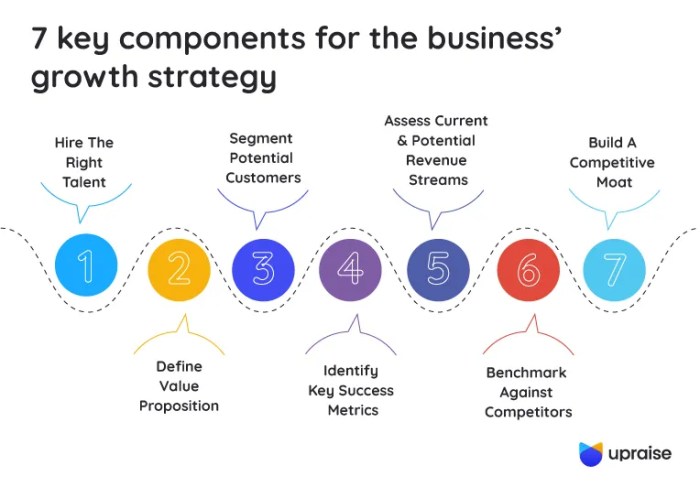
Effective pricing and packaging are crucial for revenue growth. A well-defined strategy ensures your offerings resonate with your target market and maximize profitability. This involves not only setting the right price but also structuring your offerings in ways that appeal to different customer needs and budgets.
Competitor Pricing Analysis
Analyzing competitor pricing provides valuable insights into market dynamics and potential areas for improvement. Let’s assume we’re a small bakery offering custom cakes. We’ll compare our pricing to three competitors: “Sweet Surrender,” known for high-end cakes; “Cake Cravings,” a mid-range bakery; and “The Daily Slice,” focusing on budget-friendly options. Sweet Surrender charges significantly more, reflecting premium ingredients and elaborate designs.
Cake Cravings’ prices are comparable to ours, while The Daily Slice offers considerably lower prices, sacrificing some customization and quality. A potential improvement for our bakery could be introducing a “premium” line similar to Sweet Surrender, catering to a higher-spending clientele, or a more basic line to compete directly with The Daily Slice. This diversification allows us to capture a wider market segment.
Pricing Package Options
To cater to diverse customer needs, we’ll create three pricing packages for our custom cakes:
- Basic Cake: This package offers a standard-sized cake with a basic flavor and simple decoration. The focus is on affordability, making it ideal for smaller gatherings or those on a budget. The value proposition lies in its competitive price point without compromising on taste.
- Classic Cake: This package provides a medium-sized cake with a wider selection of flavors and more elaborate decorations. It’s a balanced option offering good value for the price, suitable for medium-sized events or those seeking a higher level of customization.
- Deluxe Cake: This package includes a large cake with premium ingredients, intricate designs, and personalized elements. It targets customers willing to pay a premium for a high-quality, visually stunning cake, perfect for special occasions or corporate events. The value proposition is the exceptional quality and bespoke design.
Impact of Discounts and Promotions
Discounts and promotions can significantly boost sales, particularly during slower periods or to introduce new products. However, they must be strategically implemented to avoid impacting profitability. Offering limited-time discounts, loyalty programs, or bundled offers can incentivize purchases without drastically cutting margins. For example, a “10% off your first order” promotion can attract new customers, while a “buy-one-get-one” deal on cupcakes can increase overall sales volume.
Careful monitoring of the impact on profit margins is essential.
Subscription-Based Pricing Model
A subscription model, where customers pay a recurring fee for regular deliveries of cakes or cake-related products (e.g., monthly cake slices, baking supplies), offers several advantages: predictable revenue streams and increased customer loyalty. However, it requires a substantial upfront investment in marketing and logistics, and managing customer expectations and cancellations can be challenging. For a small bakery, a subscription model might be more suitable if focusing on a niche product or offering a loyalty program with tiered subscription benefits.
The disadvantages include potential customer churn and the need for robust order fulfillment systems.
Enhancing Operational Efficiency
Streamlining your operations is crucial for small businesses aiming for sustainable revenue growth. By focusing on efficiency, you can significantly reduce costs, improve profitability, and free up resources to invest in revenue-generating activities. This section will explore key areas for operational improvement and demonstrate their impact on your bottom line.Operational improvements directly translate to increased profitability and allow for reinvestment in growth strategies.
Reduced operational costs mean more capital available for marketing, product development, or expanding into new markets. Furthermore, streamlined processes lead to improved employee morale and increased productivity, creating a positive feedback loop for growth.
Areas for Operational Improvement
Three key areas ripe for operational improvement in small businesses are inventory management, customer service, and process automation. Addressing these areas can yield significant cost savings and improve overall efficiency.
- Inventory Management: Inefficient inventory management leads to storage costs, obsolescence, and lost sales opportunities. Implementing a robust inventory management system, including regular stocktaking and demand forecasting, can significantly reduce waste and improve cash flow.
- Customer Service: Exceptional customer service fosters loyalty and repeat business. Investing in training, implementing efficient communication channels, and proactively addressing customer concerns can dramatically improve customer satisfaction and reduce churn.
- Process Automation: Automating repetitive tasks, such as data entry or invoice processing, frees up employee time for higher-value activities. This can involve using software solutions or implementing simpler workflow improvements to reduce manual effort and errors.
Streamlining Processes for Revenue Generation
Streamlining processes frees up valuable time and resources that can be redirected towards revenue-generating activities. For example, automating email marketing allows marketing staff to focus on creating engaging content and targeted campaigns rather than manual email sending. Similarly, automating order fulfillment allows staff to focus on building customer relationships and handling complex customer inquiries. This shift in focus allows for more effective use of human capital, leading to increased sales and revenue.
Improved Inventory Management for Increased Sales and Reduced Waste
Effective inventory management is vital for maximizing sales and minimizing waste. Implementing a just-in-time (JIT) inventory system, for example, ensures that you only order the necessary materials or products when needed, reducing storage costs and the risk of obsolescence. Using data analytics to forecast demand allows for more accurate ordering, minimizing stockouts and overstocking. A well-managed inventory system also reduces waste from expired or damaged goods, leading to a significant improvement in profitability.
For instance, a bakery using predictive analytics to forecast daily bread demand can avoid baking excess bread that would otherwise be discarded, saving money and reducing waste.
Enhancing Customer Experience Through Improved Customer Service
Improving customer service is not just about resolving issues; it’s about creating a positive experience that fosters loyalty and advocacy. This can involve implementing a customer relationship management (CRM) system to track customer interactions, providing multiple channels for customer support (e.g., phone, email, chat), and proactively soliciting customer feedback. Investing in employee training to enhance communication and problem-solving skills is also crucial.
A company known for its excellent customer service will often see increased customer lifetime value and positive word-of-mouth referrals, leading to organic revenue growth.
Leveraging Technology for Growth
In today’s digital landscape, technology is no longer a luxury for small businesses; it’s a necessity for survival and growth. Smart implementation of the right technological tools can significantly streamline operations, enhance customer relationships, and ultimately boost revenue. This section explores how various technologies can contribute to your small business’s expansion.
CRM Systems Enhance Sales and Customer Relationships
A Customer Relationship Management (CRM) system acts as a central hub for all customer interactions. By consolidating customer data, communication history, and sales information, a CRM system provides a 360-degree view of each customer. This allows for personalized communication, targeted marketing efforts, and improved sales forecasting. For example, a small bakery using a CRM could track customer preferences (e.g., favorite pastries, dietary restrictions), enabling targeted promotions and personalized recommendations, leading to increased sales and customer loyalty.
Efficient management of leads and follow-ups, automated through the CRM, also ensures no potential sale is missed. The ability to analyze sales data within the CRM helps identify trends and optimize sales strategies.
Social Media Marketing Reaches New Customers
Social media platforms offer unparalleled opportunities to reach potential customers directly. By creating engaging content, running targeted advertising campaigns, and actively interacting with followers, small businesses can build brand awareness, generate leads, and drive sales. For instance, a local bookstore could use Instagram to showcase new releases, host online author events, and run contests to engage their audience.
Facebook advertising allows for precise targeting based on demographics, interests, and behaviors, ensuring that marketing budgets are used effectively. Consistent and relevant content on platforms like Twitter and TikTok can further expand reach and build community.
E-commerce Platforms Expand Sales Reach
E-commerce platforms provide a significant advantage by extending a business’s reach beyond geographical limitations. Setting up an online store, even a simple one, allows businesses to tap into a much wider customer base. A handcrafted jewelry business, for example, could sell its products globally through platforms like Etsy or Shopify, increasing its potential customer pool significantly. The ability to manage inventory, process orders, and handle payments online streamlines operations and reduces manual workload.
Furthermore, the data gathered through e-commerce platforms provides valuable insights into customer behavior and preferences, which can be used to refine product offerings and marketing strategies.
Automation Tools Improve Efficiency and Free Up Time
Automation tools are invaluable for improving efficiency and freeing up time for strategic initiatives. Email marketing automation, for example, allows for scheduled sending of newsletters and targeted campaigns, saving considerable time and ensuring consistent communication with customers. Scheduling tools can automate appointment reminders and social media posting, eliminating manual tasks. Project management software can streamline workflows and improve team collaboration.
By automating repetitive tasks, small businesses can free up valuable time for activities that directly contribute to revenue growth, such as developing new products or exploring new market opportunities. A clear example is a freelance graphic designer using project management software to track client projects, deadlines, and payments, allowing them to focus on design work rather than administrative tasks.
Analyzing Revenue Growth
Understanding how your revenue is growing is crucial for making informed business decisions. Analyzing revenue growth allows you to identify what’s working, what’s not, and where to focus your efforts for optimal results. This analysis provides the data-driven insights needed to refine strategies and achieve sustainable growth.
Key Performance Indicators (KPIs) for Revenue Growth
Tracking the right KPIs provides a clear picture of your revenue performance. These metrics offer insights into various aspects of your business, allowing for targeted improvements. Key indicators should be regularly monitored to gauge the effectiveness of implemented strategies.
- Monthly Recurring Revenue (MRR): This metric is particularly important for subscription-based businesses, showing the predictable revenue generated each month. A consistent increase in MRR indicates strong customer retention and growth.
- Customer Acquisition Cost (CAC): This KPI measures the cost of acquiring a new customer. By tracking CAC, you can assess the efficiency of your marketing and sales efforts. A low CAC indicates effective strategies.
- Customer Lifetime Value (CLTV): This represents the total revenue expected from a single customer throughout their relationship with your business. A high CLTV shows strong customer loyalty and profitability.
- Average Revenue Per User (ARPU): This metric calculates the average revenue generated per customer. Increases in ARPU suggest successful upselling or cross-selling initiatives.
- Revenue Growth Rate: This measures the percentage change in revenue over a specific period. It provides a clear indication of overall revenue growth trajectory.
Monitoring and Analyzing Revenue Data
Regular monitoring and analysis of revenue data are essential for identifying trends and making timely adjustments. A structured approach ensures you don’t miss crucial insights that could impact your bottom line. This should be a continuous process, not a one-time exercise.A detailed plan should involve:
- Daily/Weekly Checks: Monitor key metrics like daily sales and website traffic for immediate feedback and early detection of issues.
- Monthly Reviews: Conduct comprehensive reviews of all KPIs, comparing performance against targets and previous periods. Identify areas needing attention.
- Quarterly Analysis: Perform in-depth analysis, examining trends, seasonality, and the effectiveness of implemented strategies. This allows for strategic adjustments.
- Annual Review: Conduct a year-end review to assess overall performance, identify successes and failures, and plan for the following year.
Using Data to Adjust Strategies
Analyzing revenue data isn’t just about tracking numbers; it’s about using those numbers to improve your business. The data you collect informs decisions, allowing you to optimize your strategies for maximum impact.For example, if your CAC is high, you might need to refine your marketing strategy, explore different channels, or adjust your targeting. If your CLTV is low, you might need to focus on improving customer retention through loyalty programs or better customer service.
Conversely, a high ARPU could suggest opportunities for further upselling or cross-selling.
Projected Revenue Growth
The following text describes a projected revenue growth chart. Assume the current monthly revenue is $10,000. We project a 10% increase each month for the first six months, followed by a 5% increase monthly for the remaining six months.The chart would show a steadily increasing line. The first six months would exhibit a steeper incline reflecting the 10% growth, gradually leveling off in the second half of the year to reflect the 5% growth.
The y-axis would represent monthly revenue, starting at $10,000 and increasing to approximately $17,715 by the end of the year. This projection is a simplified example and actual results may vary. The projection assumes consistent market conditions and effective implementation of strategies. This illustrative chart provides a visual representation of potential revenue growth based on achievable targets.
Successfully navigating the path to revenue growth for small businesses demands a multifaceted approach. By meticulously analyzing current performance, identifying untapped potential, and strategically implementing effective sales and marketing strategies, small businesses can unlock significant opportunities for expansion. This journey, while demanding, ultimately empowers businesses to achieve sustainable growth and long-term success.
Clarifying Questions
How can I accurately forecast future revenue?
Accurate revenue forecasting involves analyzing historical data, market trends, and planned initiatives. Utilize forecasting models and regularly review and adjust projections based on performance.
What are some low-cost marketing strategies?
Consider content marketing (blogging, social media), email marketing, search engine optimization (), and leveraging free online resources to build brand awareness and generate leads.
How can I improve customer retention?
Focus on exceptional customer service, personalized communication, loyalty programs, and actively soliciting feedback to foster strong relationships and encourage repeat business.
What are the key metrics to track for revenue growth?
Track key performance indicators (KPIs) such as customer acquisition cost (CAC), customer lifetime value (CLTV), conversion rates, average order value (AOV), and monthly recurring revenue (MRR).


